Showing posts with label hazards. Show all posts

Tuesday, October 30, 2018

Home inspection

Inspections Matter!


One of the most common issues that come up on carrier inspections is roof condition. I cannot tell you how many times we get an Underwriting notice citing the roof condition and when we reach out to the client, they tell us their home inspection said the roof was just fine. Often, it didn't say the roof was fine. It said replacement was a good idea and the client chose to ignore it. Even if the inspection says the roof is in fine condition, the carrier's inspection may disagree. Now, you can disagree all you want, but the carrier can still cancel the policy if you do not make repairs.


When you have an inspection done before you buy a house, pay attention! I strongly urge you to go to the inspection and walk with the inspector. Listen to him/her. Ask questions as he/she walks. This is going to be your home. Make sure you know what you are getting into. Maybe you are a Do-It-Yourself kind of homeowner and you are fine with needing to do some repairs. But if you are not, then it is a nightmare to buy a house and realize (after the closing) that there is major repair work to be done. There are some things you absolutely want to know about before you buy the house! The carrier doesn't want to insure a hazard they will most likely have to replace in the next few years. And you (as the homeowner) don't want to buy a house that will not protect you the way a home is supposed to.

Exterior of the Home

Roof: Carriers (and hopefully you!) would require the condition of the roof to last at least 5 years. With all of the wind/hail/storms we have here is Texas, roofs rarely last longer than 10 years. If you are looking at a house with a roof over 10 years old, it is a strong possibility the inspector will inspect the roof closely, looking for any indication the roof will not last. 

Windows: Depending on the age of the windows, you may need to replace them. At the very least, they need to be caulked once a year to keep them energy efficient. g 

Tree Trimming: Tree limbs hitting the roof or side of the house will need to be trimmed back away from the house. If they are hitting the home, they will cause additional wear on the roof/siding. 

Interior of the Home

Electrical: Older homes may have quite a bit of electrical work to replace. Many carriers will not insure homes with fuse boxes so you may have to replace it with an updated breaker box. 

Heating/Air: Filters need to be change twice a year. If they have not been, the buildup in the filters will make the system very inefficient, particularly for people with allergies. In some cases, the system will need to be replaced.

Water Heater: Most hot water heaters need to be replaced after 15 years. If your hot water heater breaks down, it is expensive and a royal pain to replace. 

Ventilation / Insulation: Ventilation and Insulation matter most in the attic. If either are in poor condition, you will have increased energy bills and possible increased damage to your roof (from the inside)


Home Inspections will always find issues that can be improved.  Carriers are looking for hazards that are more likely to cause them to pay out a claim in the near future. They do not want to intentionally take on that risk. Since they are the ones that will pay out, thousands, possibly hundreds of thousands, the carrier gets to decide if they want to take on the risk. You, as the homeowner, can disagree. But you will most likely NOT change their mind. So intentionally look at your home inspection before you buy the home. 


There are three ways to request a quote for your insurance needs: 
* Visit our website
* Call Brockman Premier Insurance  877-987-8683  


Thursday, October 25, 2018

Teen Drivers

Let's Talk About Teen Driver Safety


According to the CDC, six teens ages 16 to 19 die every day from motor vehicle injuries. 
Per mile driven, teen drivers ages 16 to 19 are nearly three times more likely than drivers aged 20 and older to be in a fatal crash. As a parent of teenagers, those are very scary numbers!
  
When people call in about adding their teenager to their policy, we tell them part of the reason it is so expensive to add a teen driver is because of the risk associated with new drivers. It isn't a matter of if they get into an accident. It's a matter of when.

Inexperienced drivers struggle with judging the space needed to change lanes in traffic, driving safely in poor weather conditions and making turns safely. Your child may be a very conscientious driver, but it isn't just their driving you have to worry about. More experienced drivers know how to drive more defensively. They know to look at how others are driving to avoid accidents. New drivers assume everyone else will drive the same way they will. Now of course I am talking about conscientious drivers. We all know those kids (and some adults!) who think they (1) own the road and (2) are immortal. There was a kid who drove a white jeep in our neighborhood. When you saw that jeep coming you were automatically on guard! You do not want any of your children to be that kid!

The National Safety Council says that at least half of all teens will be involved in a car crash before they graduate from High School. Half! They strongly suggest parents drive with teens even after they get their license. Teens who drive with their parents in the car decrease the probability of causing a crash. So I know for many parents it seems a very stressful and harrowing experience to be a passenger in their parent care, so think of it as a way to pass your experience and knowledge onto your young drivers.


The National Highway Traffic Safety Administration sponsors Teen Driver Safety week each year in October. This week actually! 
So there are some tips for some rules before letting your teen take off in the car.

NHTSA reminds parents to set the rules before the teens hit the road with "5 to Drive":
·         No cell phones while driving
·         No extra passengers
·         No speeding
·         No alcohol
·         No driving or riding without a seat belt

Parents must be involved in teaching their young drivers! Safety!Safety!Safety!


There are three ways to request a quote for your insurance needs: 
* Visit our website
* Call Brockman Premier Insurance  877-987-8683  


Tuesday, January 2, 2018

Frozen Pipes

Protect those pipes!  

Winter brings hazards that need to be taken seriously. When the weather is freezing and there is ice and snow, we know to drive slower (I hope!) We know to walk more carefully outside. But what about inside our homes? What harm can come to our safe, warm home from the ice outside? One of the biggest risks in Winter is Frozen Pipes.
Generally, damage from pipes bursting is covered under your home insurance policy as "sudden and accidental" water damage. But water claims are usually expensive which doesn't look good on insurance history (meaning higher rates in your future). Here are some tips to avoid those water claims:

PREVENT FROZEN PIPES

 The first thing you should do is protect the pipes exposed outdoors. 

Water in pipes can freeze. The water will expand in the pipes as it freezes, which can cause pipes to burst. This can cause untold damaged to your home and belongings.  You can buy insulation at your neighborhood hardware store. You can also take old socks, sweatshirts or towels and wrap and tape them over the pipes. Remove the hose before insulating the faucet. You may also want to insulate indoor piping that is in an unheated area, such as the attic or any crawl space. This is especially true for homes in areas with harsh winters. Moving water is less likely to freeze, so drip your faucets on freezing nights. You don't need to run the water, a slow drip will work just fine.   


IF PIPES ARE FROZEN

   If you turn on your faucet and no water comes out, chances are your pipes are already frozen. You want to thaw them as soon as possible. The longer they stay frozen, the more likely they are to burst. You should always assume the pipe may already have a tear and shut off your water at the main water valve. It is often in or near the garage. But walk your property and make sure know where it is and what tool you need to turn it off quickly. There are steps you can take to thaw the pipes yourself. But if you are not comfortable with your handyman abilities, call a plumber. 


THAW FROZEN PIPES


   If you want to try to find and fix the frozen section yourself, start with the closest exposed pipe to the faucet(s) and wrap it with rags or towels. Pour a little hot water over it until the water flows again. Do not EVER use a hair dryer or electric heater near frozen pipes. As the water thaws, it becomes a fire and/or electric shock danger if the water sprays as it thaws.
If your home does incur water damage, call your Insurance agent. They will have contacts to clean up water damage. 


There are three ways to request a quote for your insurance needs: 
* Visit our website
* Call Brockman Premier Insurance at 877-987-8683  


Monday, December 18, 2017

Holiday Hazard - Driving out of town

DRIVING IN UNFAMILIAR AREAS FOR THE HOLIDAYS? DRIVE SAFELY!

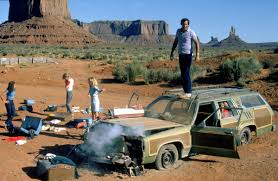
Are you visiting family out of town for the Holidays?  Most likely, you want to avoid this Griswald family-like crash. Driving in unfamiliar areas can be hazardous. You may not know the streets or the terrain or how to drive in weather that is uncommon for your area. 
  * Make sure you limit the distractions. It is just plain stupid to text and drive. It is even more so if you are driving on unfamiliar roads. Many of us have made those drives with kids fighting in the back seat and people arguing over what is on the radio. But it is so important to stay alert and engaged while driving, especially in new places.
   * Know the traffic laws. Do your research before you leave. Some towns have roundabouts, bizarre junctions and different road signs that you are not used to. Know the speed limits as well.
   * Get to know your environment. Will there be icy bridges? Cattle in the streets? (Yes that can be a thing) Depending on where you go, the environment, including the weather, will dictate how you drive. Take it slower if you are at all unsure of your surroundings. 
   * Do you need to winterize your car? Or protect it from heat? Google how to do that properly in the state you are going to. Winterizing in Texas can be different than winterizing in Wyoming.
   * Have a map, in case your phone's map app doesn't work. If you haven't spent time in the mountains before, I can tell you - cell reception can be dicey.  

If you get lost, always remember to:
Pay attention to road signs. They can help guide you.  Avoid sudden changes in direction and illegal manuevers, such as a u-turn on an unfamiliar road. Use your turn signals/hazards. This will let other drivers know your intentions. Reduce your speed. This will give you more time to identify and respond to unexpected obstacles like fallen debris, potholes and curves in the road. 

Make sure to add a extra time to your driving plans.  There is nothing more frustrating than getting lost when you are already late! That anxiety just adds to the hazard of driving in unfamiliar areas!
   
Take your auto insurance with you. Even if you are driving a Rental. If you buy the Rental company's insurance, it will cover any mishap you may have. But that rental insurance can be costly. Your own personal insurance will cover your rental should anything happen, but it will count on your accident history. It is up if you want to buy the Rental insurance or use your own. 

It can be great to get out of town, but drive safely so it doesn't turn disasterous!


There are three ways to request a quote for your insurance needs: 
* Visit our website
* Call Brockman Premier Insurance at 877-987-8683